-
Projekt
-
Opublikowano: 19.11.2026
- 0
- 0
Liderzy Dostępności
- Obszar tematyczny: problemy społeczne, socjalne
- Kraje, w których realizowany jest projekt:
- Polska
- Ukraina
Opis projektu
Liderzy Dostępności – polsko-ukraińskie partnerstwo na rzecz budowania społeczeństwa bez barier
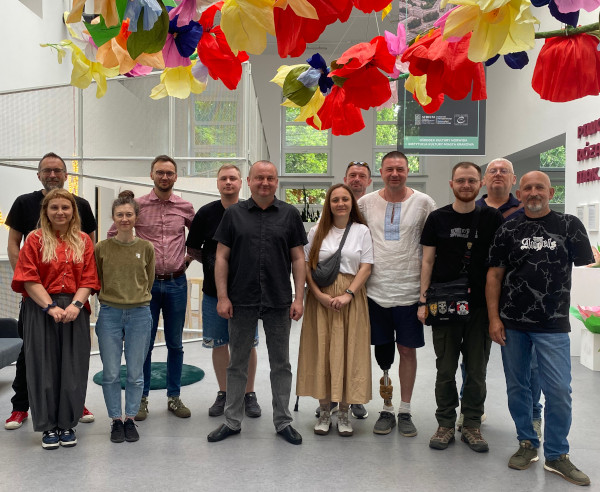
Projekt „Liderzy Dostępności” był kompleksową inicjatywą edukacyjno-rozwojową zrealizowaną w okresie od marca do lipca 2026 roku w partnerstwie polskiej Fundacji Freedom Space oraz ukraińskiej Instytucji Społecznej „Przestrzeń Weteranów Zvyahel”. Głównym celem przedsięwzięcia było wzmocnienie kompetencji liderskich, rzeczniczych i eksperckich grupy 8 dorosłych obywateli Ukrainy z niepełnosprawnościami (weteranów wojennych po amputacjach oraz osób z dysfunkcjami narządu ruchu) pochodzących ze Zwiahela, Żytomierza i Równego. Projekt stanowił odpowiedź na pilne potrzeby ukraińskich społeczności lokalnych, mierzących się z rosnącą liczbą osób z niepełnosprawnościami w wyniku wojny, oraz służył transferowi europejskich standardów dostępności architektonicznej, cyfrowej, społecznej i transportowej.
Rekrutacja i przygotowanie logistyczne
Pierwszy etap projektu (marzec–kwiecień 2026) obejmował wielostopniowy proces rekrutacyjny w obwodach żytomierskim i rówieńskim. Spośród 27 nadesłanych zgłoszeń, po weryfikacji ankiet i 16 rozmowach kwalifikacyjnych, wyłoniono 8-osobową grupę liderów (w tym koordynatora po stronie ukraińskiej) aktywnych w trzecim sektorze i lokalnych organizacjach weterańskich. Kluczowymi kryteriami doboru były dotychczasowa działalność społeczna, potencjał przywódczy oraz gotowość do upowszechniania zdobytej wiedzy po powrocie do kraju. W maju 2026 roku zapewniono grupie bezpieczny, w pełni dostosowany transport z Ukrainy do Krakowa, pełne wsparcie formalne przy przekraczaniu granicy oraz bezbarierowe zakwaterowanie i wyżywienie w Krakowie.
Kompleksowy program szkoleniowy w Krakowie (18–24 maja 2026)
Centralnym punktem przedsięwzięcia był intensywny tygodniowy pobyt studyjno-szkoleniowy w Krakowie, podzielony na cztery uzupełniające się moduły tematyczne:
Dostępność architektoniczna, technologie asystujące i zarządzanie NGO: dwudniowe warsztaty prowadzone przez ekspertów z Fundacji For Heroes (Michała Kruka i Szymona Piwowara) przybliżyły polskie i unijne normy prawne dotyczące projektowania uniwersalnego oraz metodykę prowadzenia audytów dostępności. Uczestnicy wykonali samodzielny audyt w terenie, zapoznali się z nowoczesnym sprzętem mobilnym i adaptacjami samochodów dla kierowców po amputacjach, a także przećwiczyli bezpieczne techniki asysty (m.in. pokonywanie schodów, pochylni i podnoszenie osoby z wózkiem). Ważnym elementem było również omówienie zasad pozyskiwania grantów i zarządzania organizacją pozarządową.
Parasport jako narzędzie rehabilitacji i budowania sprawczości: podczas zajęć na w pełni dostępnej hali sportowej uczestnicy poznali sport adaptowany jako skuteczną metodę integracji i przywracania niezależności. Pod okiem trenerów wzięli udział w treningach koszykówki na wózkach (3x3 oraz pełnowymiarowej), testowali jazdę na rowerach typu handbike, a także zapoznali się z goalballem, szermierką na wózkach i tenisem stołowym.
Dostępność w praktyce – wizyty studyjne i dialog obywatelski: uczestnicy analizowali wdrożone w Krakowie rozwiązania bezbarierowe w instytucjach kultury, nauki, ochrony zdrowia i transportu publicznego – odwiedzając m.in. Ośrodek Kultury Norwida, Wojewódzką Bibliotekę Publiczną, Centrum Dostępności Uniwersytetu Jagiellońskiego, zajezdnię MPK, wystawę Podziemna Nowa Huta oraz Fort Borek, gdzie przeprowadzili mini-audyty przestrzeni. Odbyło się również spotkanie z Pełnomocnikiem Prezydenta Krakowa ds. NGO Arturem Buszkiem na temat standardów współpracy samorządu z organizacjami społecznymi.
Odporność psychiczna i przywództwo (model BASIC Ph): Dwudniowe warsztaty prowadzone przez certyfikowanych trenerów z Fundacji Freedom Space (Tomasza Mierzwę i Barbarę Psiuk) koncentrowały się na samoregulacji emocjonalnej, radzeniu sobie ze stresem wojennym oraz rozwijaniu własnych kanałów odporności psychicznej w pracy liderskiej.
Wsparcie po powrocie i trwałe rezultaty
W czerwcu 2026 roku zrealizowano etap zdalnych konsultacji z udziałem polskich ekspertów, wspierający wdrażanie lokalnych inicjatyw w Ukrainie i udostępniający kontakty do europejskich producentów sprzętu rehabilitacyjnego. Utworzono również stałą grupę roboczą służącą bieżącej wymianie doświadczeń i informacji grantowych. W lipcu projekt zwieńczyła szczegółowa ewaluacja. Głównym rezultatem przedsięwzięcia jest wykształcenie grupy świadomych rzeczników dostępności, gotowych do audytowania przestrzeni publicznej, wspierania innych weteranów oraz budowania trwałej, ponadgranicznej sieci współpracy między polskim i ukraińskim sektorem pozarządowym.
Partnerzy projektu
Leaders of Accessibility
- Thematic field: social and social security issues
- Countries where project is being implemented:
- Poland
- Ukraine
Project description
Leaders of Accessibility – Polish-Ukrainian Partnership for Building a Barrier-Free Society
The "Leaders of Accessibility" project was a comprehensive educational and developmental initiative implemented between March and July 2026 in partnership between the Polish Freedom Space Foundation and the Ukrainian Social Institution "Veteran Space Zvyahel". The primary objective of the undertaking was to strengthen the leadership, advocacy, and expert competencies of a group of 8 adult Ukrainian citizens with disabilities (war veterans with amputations and individuals with mobility impairments) from Zviahel, Zhytomyr, and Rivne. The project responded to the urgent needs of Ukrainian local communities facing a growing number of people with disabilities due to the war, while facilitating the transfer of European standards in architectural, digital, social, and transport accessibility.
Recruitment and Logistical Preparation
The first stage of the project (March–April 2026) involved a multi-stage recruitment process across the Zhytomyr and Rivne oblasts. Out of 27 applications submitted, following a review of questionnaires and 16 qualification interviews, an 8-person group of leaders (including a Ukrainian-side coordinator) active in the third sector and local veteran organizations was selected. Key selection criteria included prior community involvement, leadership potential, and readiness to disseminate the acquired knowledge upon returning home. In May 2026, the group was provided with safe, fully adapted transport from Ukraine to Kraków, full formal assistance with border crossing procedures, and barrier-free accommodation and catering on-site.
Comprehensive Training Program in Kraków (May 18–24, 2026)
The centerpiece of the initiative was an intensive one-week study and training visit to Kraków, divided into four complementary thematic modules:
Architectural Accessibility, Assistive Technologies, and NGO Management: Two-day workshops led by experts from the For Heroes Foundation (Michał Kruk and Szymon Piwowar) introduced Polish and EU legal norms regarding universal design and the methodology of conducting accessibility audits. Participants carried out an independent field audit, explored modern mobility equipment and vehicle adaptations for drivers with amputations, and practiced safe assistance techniques (including navigating stairs, steep ramps, and lifting a person from a wheelchair). Another key element was discussing grant acquisition strategies and non-governmental organization management.
Parasport as a Tool for Rehabilitation and Empowerment: During sessions held at a fully accessible sports hall, participants experienced adaptive sports as an effective method for social integration and regaining independence. Supervised by professional coaches, they took part in wheelchair basketball training (3x3 and full-court), tested handbike cycling, and familiarized themselves with goalball, wheelchair fencing, and table tennis.
Accessibility in Practice – Study Visits and Civic Dialogue: Participants analyzed barrier-free solutions implemented in Kraków across cultural, academic, healthcare, and public transport institutions—visiting, among others, the Norwid Cultural Center, the Voivodeship Public Library, the Jagiellonian University Accessibility Center, the Municipal Transport Company (MPK) depot, Underground Nowa Huta, and Fort Borek, where they conducted mini-audits of public spaces. A meeting was also held with Artur Buszek, Plenipotentiary of the Mayor of Kraków for NGOs, focusing on standards of cooperation between local government and civil society organizations.
Psychological Resilience and Leadership (BASIC Ph Model): Two-day workshops led by certified trainers from the Freedom Space Foundation (Tomasz Mierzwa and Barbara Psiuk) focused on emotional self-regulation, coping with war-related stress, and developing personal resilience channels in leadership work.
Post-Return Support and Lasting Results
In June 2026, a phase of remote consultations with Polish experts was carried out to support the implementation of local initiatives in Ukraine and provide contacts to European manufacturers of rehabilitation equipment. A permanent working group was also established for ongoing exchange of experiences and grant opportunities. The project concluded in July with a thorough evaluation. The main outcome of the initiative is a trained cadre of informed accessibility advocates prepared to audit public spaces, support fellow veterans, and build a lasting cross-border network of cooperation between the Polish and Ukrainian non-governmental sectors.
Project partners
Fundacja Freedom Space